You have an audience. Should you sell it a membership?

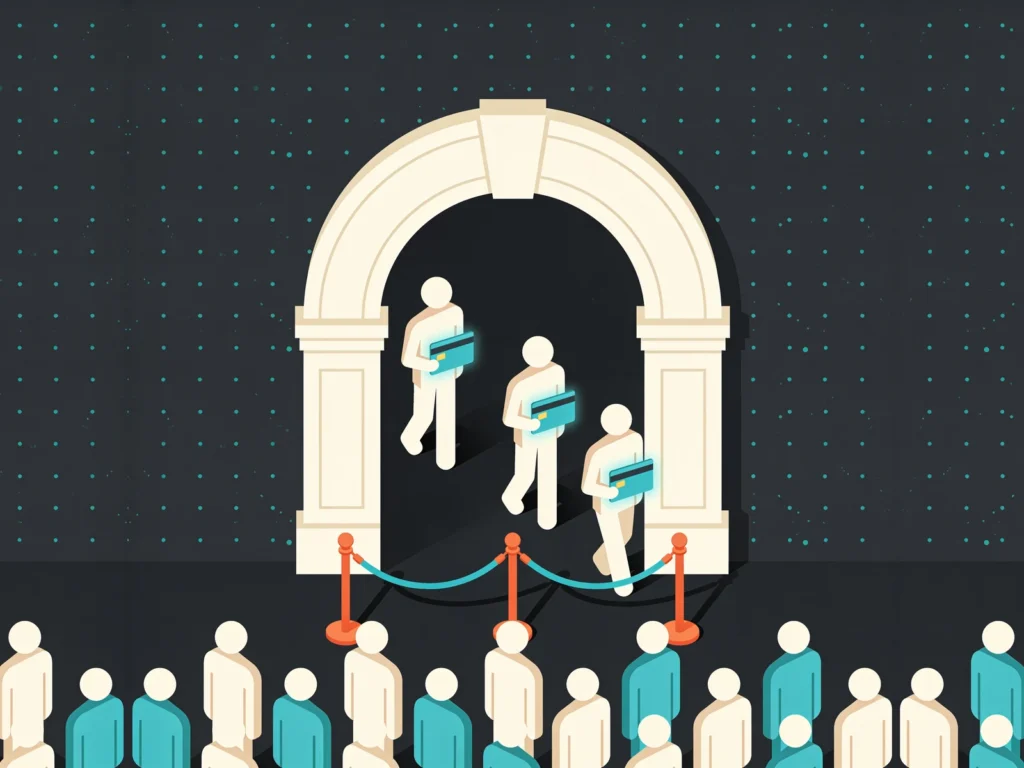
Say you’ve got a following. Not a huge one, but real: people who comment, reply, and ask you how you do the thing you do. You’ve got an email list too, and if you’re like most owners, you email it a couple of times a year.
Sooner or later someone says, “You should turn this into a membership.”
Maybe. But a following and a membership business are two different animals. One is attention. The other is people paying you every month and expecting something every month in return.
I’ve built enough membership sites and course platforms to know that the build is rarely what sinks them. The decision before the build is. So here are the five questions I ask before anyone, including us, writes a line of code.
What would people pay for that they can’t get from your free stuff?
This is the big one. If your free content already answers everything, a membership is a paywall in front of reruns.
Look at what people ask you in DMs, comments and replies. The repeat questions are the product. “Can you show me how you do this step by step?” is a course. “Can I ask you questions while I try it?” is a membership with community or office hours. “Do you have templates?” is a resource library.
If you can’t name the thing in one sentence, you’re not ready to price it.
Is this a course or a membership?
People use these words like they mean the same thing. They don’t.
A course has a finish line. Someone buys it, works through it, done. You sell it again to the next person.
A membership never ends, which means you never stop feeding it. New content, new calls, a community someone has to moderate. It’s recurring revenue, and it’s also recurring work.
Plenty of folks start with a course because it’s easier to finish, then add a membership later for the people who want more. That’s a perfectly good path. If you want the longer version of the course side, I wrote up what a learning management system is and whether you need one.
Who’s going to run it on a Tuesday?
Not launch day. A random Tuesday in month seven.
Someone has to answer “I can’t log in.” Someone has to fix the renewal that failed because a card expired. Someone has to post the new lesson. If the answer is “me, between everything else,” be clear-eyed about how many hours that is.
I’ll own my bias here: we sell the part where somebody else handles that. But I’d rather you hear it before you build than after.
Where does it live?
Your marketing site and your member area do different jobs. The marketing site needs to be fast for strangers. The member side is logged-in, transactional and heavier.
When we were the WordPress team for Watts Atelier, an art school running its marketing site and online school on one install, we recommended splitting the two. They’ve since made that split. Not every business needs two sites on day one, but you should decide on purpose.
Same goes for platform. MemberPress for memberships, LearnDash for courses, or a hosted platform if you want zero maintenance and can live with the fees and limits. There’s no wrong answer, only a wrong fit.
Can your audience actually find the door?
This is where most audiences have a gap. The audience exists. The path from “I like your posts” to “I’m a paying member” doesn’t. No clear call to action, no sales page, and an email list sitting quiet.
Before you build, test the door. Send one email to your list describing the thing and ask people to raise their hand. A waitlist with real names on it tells you more than any follower count. I wrote more about why building it is the easy part and getting people to come is the hard part.
So, should you?
If you can name what people would pay for, you know whether it’s a course or a membership, you know who runs it on Tuesdays, and a handful of people raised their hand, then yes. Build it.
If you’re missing two or more of those, wait. Spend a month on the list and the waitlist. The platform will still be there.
For what it’s worth, the arts groups I wrote about in Your Opera Has Fans. Does It Have Members? had the same gap with a different audience. Fans are great. Members are a system.
If you’re already past the “should I” and into the “how,” our membership platforms page shows what we build. And if you want a second opinion before spending money, grab a free 20-minute systems review.
What’s the one thing your audience keeps asking you for? That might be your product.